
|
Arie Michaeli MSc shares his experience treating Comrade Runner's Knees. Tape it!
If there's one thing every long distance runner dreads, it's a knee injury - particularly as the injury usually recurs. "Runner's knee" is the most common of all running injuries, accounting for about 25% of runners seen in sports injury clinics. The next most common problem is Iliotibial Band Syndrome (ITB). Knee pain is often the result of the malalignment of the patella: when the patella (the kneecap) doesn't track correctly in its groove in the femur (thigh bone). McConnell Method to the rescue World-renowned Australian physiotherapist, Jenny McConnell, has devised a treatment for this condition. It involves using special tapes to realign the patella and keep it in place during sporting activities. The athlete then follows a specific exercise-and-stretching training programme, and uses biofeedback techniques to develop and strengthen the quadriceps (thigh muscle).
In addition, the athlete's foot biomechanics may have to be corrected. Over the past four years, a clinical trial has been conducted to determine the efficacy of the McConnell method. So far, more than 3 500 patients - many of whom are athletes - have been treated, and there is a clear indication that over 85% of the patients experience significantly reduced pain using McConnell's method. But will the McConnell method stand up to the rigors of an ultra-marathon like the Comrades? Clinical Trials
Success Factor
And how did the tapes stand up for the race? Despite the fact that most runners said the tapes got wet, 15 said they had not experienced any problems at all. Of the remaining runners, eight had to re-tape during the marathon.
"The three-year clinical trial of the McConnell method has shown excellent results provided the runner commenced treatment well before Comrades," says Arie Michaeli, who initiated the trials.
"However, runners should ensure that they have a comprehensive knee assessment by a physiotherapist qualified in the McConnell method, prior to the application of the tapes. Incorrect taping may not help, or even aggravate the problem. In addition, special tapes have to be used as ordinary plaster and strapping tape are not firm enough and often irritate the skin." The McConnell programme consists of four to six treatments over six weeks. |


 Arie Michaeli MSc Physio (Wits) discusses a simple yet effective method of assisting runners with knee pain
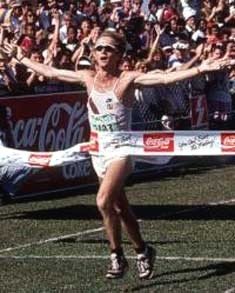 The majority felt the taping had contributed significantly to their success, all but one included taping. In addition, six felt their shoes had helped and one mentioned orthotics. Fourteen runners also named the special exercises involving quadriceps training using electromyography biofeedback techniques prior to the race as an important factor.